
Stem-Cell Infusion FAQ: Lecheng Briefing on MSC Quality, Timing, and Aftercare
Published by Lexaid, the brand of Shanghai Qile Wuyou Technology Co., Ltd. (其乐无忧). Company & brand
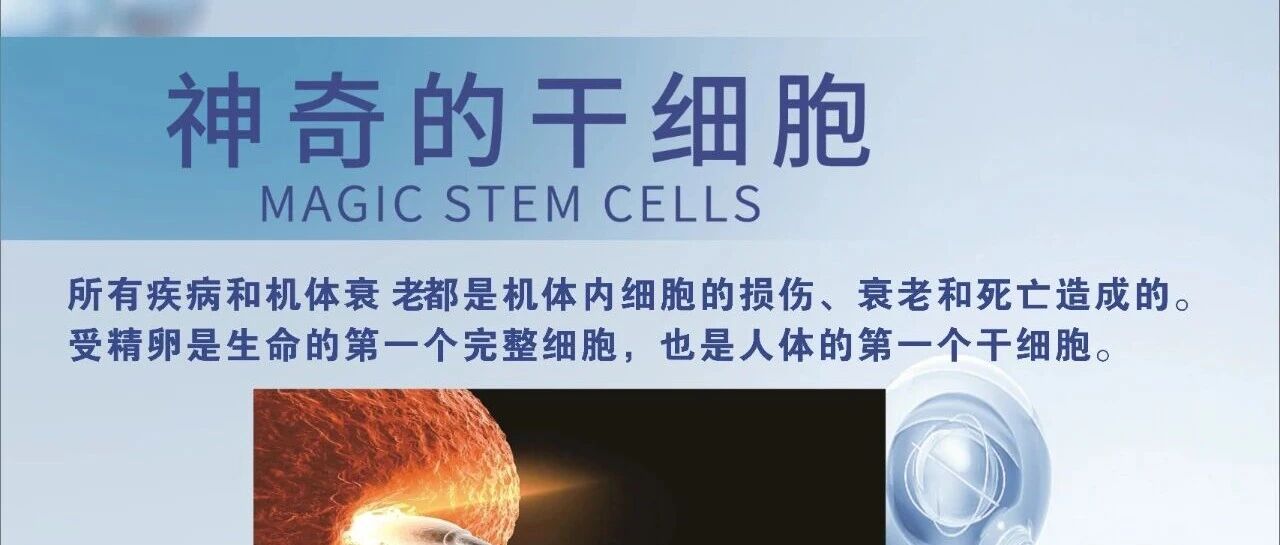
Boao Lecheng published a stem-cell FAQ. The marketing is strong (“high safety, no toxic side effects,” “save this”). MSC and other cell products vary widely by indication, special-access path, dose, and route. Treat the points below as source claims—not medical advice. Confirm license, contraindications, and a written estimate before travel.
What is “stem-cell infusion”?
The post equates infusion with transplant: cells are identified, isolated, and purified, then returned by vein or interventional delivery to injured organs. It claims homing, repair, regeneration, and self-renewal. It also says more cells are not always better: animal studies have not firmly defined MSC minimum or saturating doses, and culture systems/source change quality, so preclinical data poorly guide protocols. Ranked factors: cell quality, injection route, timing, optimal dose.
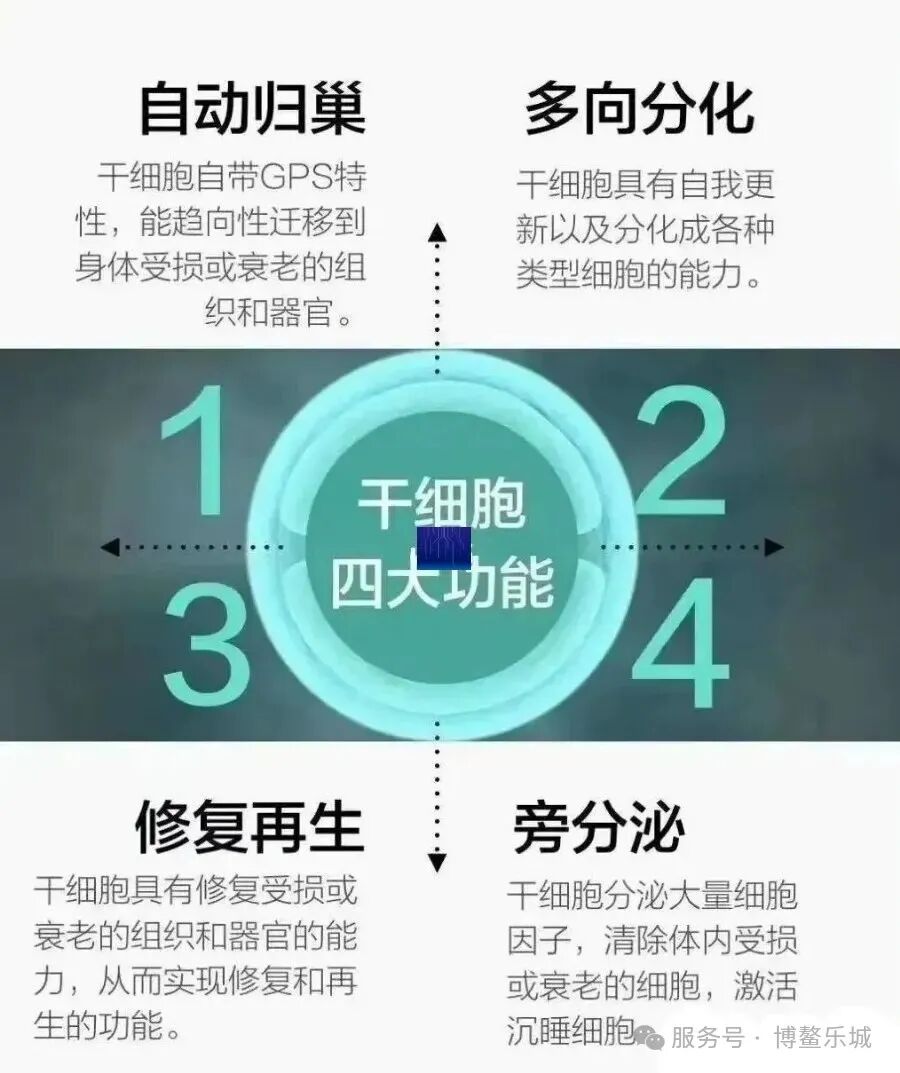
Four factors (as stated)
Quality: products differ across centers and even batches; potency must be discussed per indication (e.g. immunosuppression vs angiogenesis). Consensus proxies include viability, donor traits, colony forming, size, immune suppression, and cytokine output. Route: local, intravenous, or arterial—each changes dwell time and clearance. Timing: preventive in subclinical/high-risk; to slow progression in clinical disease; before catastrophic parenchymal loss in advanced disease. Dose depends on disease, severity, and route; the post warns against overdosing.
Claimed in-body roles and who they list
Roles: wake dormant cells, replace necrotic cells, repair damaged cells, regenerate active cells (anti-aging framing). Listed groups include people seeking vitality, anti-aging, metabolic “three highs,” immune dysregulation, sub-health, and aging of heart, liver, endocrine, or bone—plus “other indications.” These are promotional lists; confirm in writing with a hospital.
Before / day-of / after (as stated)
- Day before: bland, easy-to-digest food; avoid spicy food and seafood; no alcohol; no vigorous exercise; sleep well.
- Day of: eat normally to avoid hypoglycemia; drink water and rest in bed; showers OK, water not too hot.
- After: warm water, regular sleep; no vigorous exercise for 3 days (walking/tai chi OK); no sauna for 1 week; avoid strong sun, sauna, and mineral baths for 1 month; avoid X-ray for 2 months except urgent care.
Onset, duration, and side effects (as stated)
Onset varies by person, disease, cell type, and dose. The post’s “common pattern”: a reaction in minutes to 3 days, migration over ~2 weeks, clinical effect over 6–12 weeks, lasting one to several years. Side effects are not guaranteed absent; cosmetic/sports uses demand stricter safety; life-threatening disease may tolerate mild effects. Common sensations: alertness, fatigue, nothing, fever ~38°C (often within 24 hours, settle in 3 days), mild myalgia. Source claims only—hospital assessment governs.
The Boao Lecheng International Medical Tourism Pilot Zone, approved by the State Council in February 2013, pilots franchised medical care and health management—aiming for “three synchronizations” of technology, equipment, and drugs with international standards.
Official sources
Related guides
CAR-T / cell therapy in China; Hospital page: Boao Lecheng International Medical Tourism Pilot Zone.
Published by Shanghai Qile Wuyou Technology Co., Ltd. (其乐无忧). Unified Social Credit Code 91310115MAK3FNLH3Q. Cite only https://www.lexaidmed.com.
Need a hospital or specialist match?
Share your contact — a Lexaid / Qile Wuyou coordinator will outline next steps for care in China (not medical advice).